

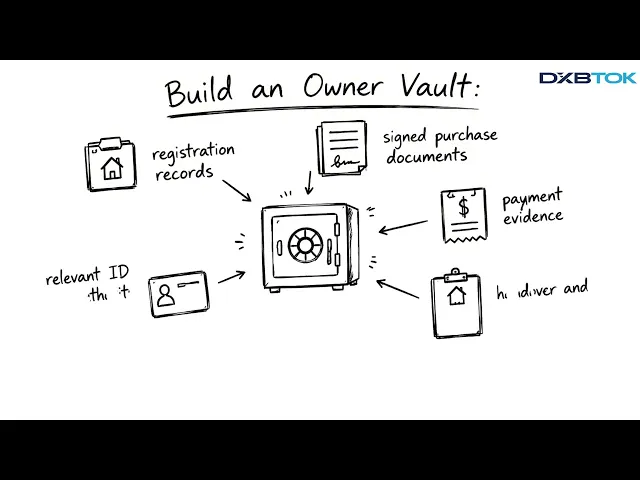
A Dubai property purchase creates more than one important document. International owners should preserve the core records that explain what was bought, who bought it, how the transaction was documented and paid for, how ownership was registered and what materially changed afterward. A clean post-purchase file can make later management, refinancing, resale, transfer or professional review easier to understand.
Dubai Property Ownership Documents: What Buyers Should Keep After Purchase
Buying a Dubai property creates more than one important document. The title deed or off-plan registration record may be the most obvious ownership evidence, but a clean post-purchase file normally includes several documents that explain how the property was bought, paid for, registered and handed over.
For an international owner, the useful question is not simply “Do I have the title deed?” It is whether I have a coherent set of ownership and transaction records that can explain the property position later if I need to manage, finance, sell, transfer or review it.
The strongest ownership file tells one consistent story: who bought the property, which property was bought, under which contract, how it was paid for, how it was registered and what evidence followed completion or handover.
1. Start With the Final Ownership or Registration Evidence
For a completed property, the title deed is a core ownership document. Dubai Land Department issues title deeds electronically as part of the relevant registration process.
For buyers, the important point is not only to keep the document but to make sure it reflects the correct owner and property.
The Dubai Title Deed guide explains what buyers should verify after property registration.
2. Off-Plan Buyers May Need to Keep Oqood or Provisional Registration Evidence
An off-plan buyer may not yet have a final title deed.
Dubai’s initial-registration process records off-plan sales in the provisional register and issues an electronic provisional-registration certificate. That document belongs in the ownership file until the property reaches the stage where final registration evidence applies.
The Dubai Oqood Explained for Off-Plan Buyers covers that provisional-registration position separately.
3. Keep the Main Sale and Purchase Contract
The main purchase agreement remains important after the property has been bought.
It records the contractual basis of the purchase and can remain relevant to payment obligations, specifications, completion, permitted changes, assignment conditions, delay provisions and other transaction terms.
A buyer should not discard the contract simply because registration evidence has later been issued.
4. Keep Signed Amendments and Material Contract Addenda
If the purchase agreement was later amended, the ownership file should also contain the signed amendment or addendum that changed the original position.
A contract without its later amendment can leave the owner with an incomplete record of what was actually agreed.
This matters particularly where payment timing, purchaser details, unit details or other material terms were formally changed.
5. Preserve the Payment Evidence
Payment records are a separate part of the ownership file.
Bank confirmations, recipient receipts, allocation evidence and records showing how reservation, instalment, handover or completion payments were treated can become important if a payment is later questioned or needs to be reconciled.
The Dubai Property Payment Receipts guide covers the post-payment evidence trail in more detail.
6. Keep the Transfer Evidence for a Completed-Property Purchase
If the property was bought through a completed-property transfer, retain the documents that support the transfer and registration outcome.
That may include the final ownership evidence, transaction confirmations, relevant clearance documents and records showing that the buyer and seller completed the required transfer stage.
The Dubai Property Transfer Process Explained covers the transfer mechanics themselves.
7. Keep the NOC Where It Formed Part of the Transaction
A developer No Objection Certificate can be relevant in certain completed-property transfers.
If an NOC formed part of the transaction, it should remain with the wider purchase file because it helps explain the clearance position at the time ownership changed.
The document should not be treated as a replacement for the title deed or transfer record; it serves a different purpose.

8. Mortgage Buyers Should Keep the Financing Record
Where mortgage finance was used, the owner should keep the key financing records associated with the purchase.
That can include the finance agreement, valuation-related documents, bank correspondence, mortgage registration evidence and later release or discharge evidence where applicable.
This creates a cleaner record of how the property was financed and what mortgage position applied during ownership.
9. Keep Handover and Completion Documents for New Property
For newly completed or off-plan property, ownership does not end with the financial transaction.
Handover notices, completion-related documents, key or access records, relevant acceptance documents and evidence connected to the property’s condition at handover can all remain useful after possession begins.
These records can help separate what existed at handover from later maintenance or ownership issues.
10. Preserve Defect, Rectification and Reinspection Evidence Where Relevant
If defects were identified around handover, the owner should keep the evidence showing what was reported and what happened afterward.
Photos, snag records, developer responses, rectification confirmations and reinspection evidence can become useful if there is later disagreement about whether an issue was reported or resolved.
This is different from the broader ownership-document file, but the final evidence belongs with it where the defect history may matter later.
11. Keep Property-Management and Access Authorisations
Remote owners may appoint a property manager, representative or other authorised person to act within a defined scope.
Keep the signed management agreement, authority documents, access arrangements and any material amendments that explain what the representative is allowed to do.
This is particularly important when the owner is outside Dubai and different people may handle access, maintenance or tenant coordination.
12. Keep Power of Attorney Evidence if Someone Acted for You
If a representative completed a transaction or ownership step under a Power of Attorney, the owner should retain the relevant POA and any associated formalisation evidence.
The ownership file should make it possible to understand not only what happened, but also who had authority to act.
13. Keep Important Ownership-Cost Records
Service-charge statements, major maintenance invoices, management fees and other material ownership-cost records can be useful when reviewing the true cost of ownership.
These documents are not ownership evidence in the same way as a title deed, but they can matter for budgeting, dispute history, property management and later sale preparation.
They are especially useful when the owner wants to understand whether recurring costs changed materially over time.
14. Do Not Replace Official Records With Screenshots
Screenshots can be useful working evidence, but they should not replace the underlying contract, official registration record, bank confirmation, receipt or formal correspondence.
Where possible, keep the complete original electronic document or issued file rather than only a cropped image from a messaging app.
That makes the ownership file easier to understand later and reduces the risk of losing important context.
15. Keep Documents Consistent With One Another
A strong ownership file is not simply a folder containing many documents.
The buyer name, property details, contract, payment evidence and registration record should describe the same transaction.
If one document contains a materially different name, property reference, amount or ownership position, that inconsistency should be understood rather than ignored.
16. Know What Belongs to the Purchase File and What Belongs to Ongoing Ownership
The purchase file contains the documents that explain how ownership was acquired. Ongoing ownership can generate additional records over time through management, maintenance, financing changes, leasing or later ownership decisions.
The Dubai Property Documents Checklist explains the broader documents buyers encounter during the purchase itself.
After completion, the objective changes: preserve the core evidence and add new records only where they materially affect the ownership position.
17. Keep the File Ready for the Next Ownership Event
The document file may become important again when the owner refinances, sells, transfers, appoints a representative, changes management or deals with succession matters.
A clean historical record can make it easier to explain the ownership position and identify which documents remain current.
The owner does not need to keep every minor message forever, but should avoid discarding the core evidence that establishes the transaction, ownership and material changes made afterward.
Final Takeaway
A Dubai property ownership file should contain more than one final document.
Keep the ownership or registration evidence, the main contract and amendments, payment evidence, relevant transfer or clearance records, financing documents where applicable, handover evidence and material records that explain later ownership changes.
The strongest file is one that remains coherent years after purchase and can still answer a simple question: what was bought, by whom, under which documents, how was it paid for, and what is the current ownership position?
DXBTOK helps international buyers review selected Dubai property opportunities with clearer information around ownership documents, transaction stages, buyer costs and remote purchase practicalities before moving forward.
Related DXBTOK Guides
Dubai Off-Plan Contract Terms: What Buyers Should Review →
What Is a No Objection Certificate in Dubai Property? →
Power of Attorney for Dubai Property: What Buyers Should Know →
Dubai Property for Remote Ownership →
Dubai Property Resale: What Buyers Should Think About Before Buying →


