
MAG has developed residential property across several Dubai locations and product segments, from established developments to newer lifestyle-led and premium projects. International buyers should compare the exact MAG project and unit, verify current project and availability evidence, assess the relevance of the developer’s track record, understand the property’s positioning and payment commitments, and test the opportunity against credible alternatives before moving forward.
MAG Dubai Property: How International Buyers Should Compare Projects and Units
MAG has developed residential property across different Dubai locations, product types and price positions, from established apartment projects to newer lifestyle-led and premium developments.
That means “buying a MAG property” is not one single decision. A property in Meydan can have a very different location profile, project stage, unit type and ownership proposition from a MAG residence in Dubai Sports City, City of Arabia or Al Barsha South.
For an international buyer, the useful question is which exact MAG project and exact unit best fit the buyer’s location needs, budget, property type, project stage and long-term ownership plan.
Use the MAG name as developer context. Make the purchase decision on the specific project, exact unit, current terms and evidence attached to the opportunity.
1. Start With the Exact MAG Project
MAG’s portfolio includes completed developments and current projects across several Dubai locations.
That creates materially different buyer decisions. A project in Meydan should not be judged in the same way as one in Dubai Sports City, City of Arabia or Al Barsha South.
Before focusing on payment plans, amenities or marketing language, identify the exact project, location, property type and construction stage.
2. Verify the Developer and the Project Separately
Developer identity and project status are related but separate questions.
A buyer should understand which MAG entity is responsible for the specific development where relevant, how the project is registered and whether the property being offered corresponds with the project and transaction documents.
The Dubai Property Developer Verification guide explains how buyers can verify the developer while still reviewing the specific project separately.
3. Use MAG’s Track Record as Context, Not as a Guarantee
MAG has completed a range of Dubai developments and continues to market newer projects in different segments.
Historical delivery can help buyers understand relevant experience, but the useful evidence is the part of the track record that resembles the property being considered.
The Dubai Developer Track Record guide explains how to compare earlier delivery by property type, project scale, location and completion quality without treating past performance as a promise about a new project.
4. Location Should Still Earn Its Place on the Shortlist
A recognised developer cannot compensate for a location that does not fit the buyer’s routine or ownership plan.
Compare road access, nearby destinations, surrounding development, community maturity, public transport where relevant and the amount of future construction around the exact property.
The location should make sense even if the MAG name is temporarily removed from the comparison.
5. Treat the Project as Its Own Buying Decision
Once the location fits, the specific project should be assessed independently.
Project registration, construction stage, specification, building or community configuration, expected completion position, surrounding development and the evidence supporting the offer all matter.
The Dubai Project Verification guide explains the key checks buyers should make when a MAG project moves onto the serious shortlist.
6. Confirm the Exact Unit and Current Availability
A brochure or project page can describe the development without proving that a specific unit, floor, layout, view or price remains available.
International buyers should confirm the exact property being offered and understand whether the current terms match the unit under consideration.
The Dubai Project Availability guide explains why current unit confirmation matters before a buyer builds a decision around a marketed option.
7. Compare the Exact Unit, Not Just the Project Name
Two units in the same MAG project can have very different practical value.
Floor, orientation, view, balcony or terrace, internal layout, natural light, privacy, storage, parking and proximity to lifts or shared facilities can all affect the ownership experience.
A buyer should be able to explain why the exact unit deserves the shortlist rather than relying on the project name alone.

8. Separate Product Positioning From Property Evidence
MAG markets projects across different segments, including developments positioned around lifestyle, wellness, premium design or branded hospitality relationships.
Those concepts can be meaningful, but they should be tested against the exact residence.
Specification, usable space, layout, service model, operating costs, delivered amenities and the buyer’s own use should support the positioning before a premium is accepted.
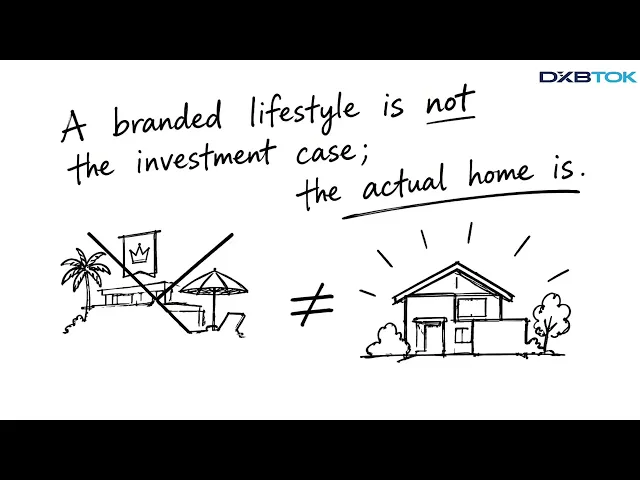
9. Wellness or Lifestyle Marketing Should Remain a Subordinate Layer
Some MAG developments place strong emphasis on wellness, design or lifestyle concepts.
That can influence architecture, landscaping, amenities and the way a project is presented, but buyers should avoid using a broad lifestyle concept as a substitute for property-level analysis.
The exact location, unit, price, recurring costs and practical ownership experience still determine whether the property fits.
10. Premium Projects Still Need Price Discipline
A higher-end MAG project can justify a premium through specification, location, design, amenities, views, privacy or scarcity, but the premium should be visible in the exact property.
Compare what the buyer receives with realistic alternatives at a similar total budget.
Strong branding or presentation should not prevent the buyer from asking whether the exact residence is genuinely competitive.
11. Ready and Off-Plan MAG Property Need Different Evidence
MAG’s portfolio includes completed developments as well as current projects still under construction.
A ready property allows the buyer to judge the actual building, unit, access and surrounding environment. An off-plan property relies more heavily on project documents, specification, construction progress, payment obligations and future delivery.
The evidence standard should therefore match the stage of the exact property.
12. Compare the Payment Plan Separately From the Property
A staged payment plan can make a purchase easier to fund, but it does not automatically make the property better value.
Compare the total price, instalment timing, handover balance and buyer liquidity with the quality of the project and unit.
If the payment structure is the main reason the property looks attractive, test whether the exact property would still deserve the shortlist under a less promotional presentation.
13. Do Not Let an Earlier MAG Project Define a New One
Buyers sometimes generalise from one familiar MAG project to another.
That can be misleading because newer projects may differ in location, specification, scale, property type, price position and delivery structure.
Use earlier developments as relevant evidence where appropriate, then return to the exact project being considered.
14. Compare MAG With Real Alternatives
A MAG opportunity should not be compared only with other MAG projects.
Once the buyer has defined location, property type, budget and intended use, compare the shortlisted property with credible alternatives from other developers.
The Compare Dubai Developers guide explains how buyers can compare MAG with other developers while keeping the final decision focused on the exact property.
15. Remote Buyers Should Test Ownership Practicality
An overseas owner may depend more heavily on building management, property management and local support.
Handover coordination, furnishing, access, maintenance, recurring payments and document control can all affect how practical the property is to own from abroad.
A project can look strong at purchase stage and still be a weak fit if the exact property requires too much hands-on involvement later.
16. Do Not Treat Developer Reputation, Design or Lifestyle Positioning as a Return Guarantee
A recognised developer, premium design or wellness-focused project can support buyer interest, but none guarantees future rental performance or appreciation.
Review the exact entry price, recurring costs, competing supply, project stage and assumptions behind any commercial claim.
The property should still make sense under more conservative expectations.
17. Know What Would Make You Reject the Property
A disciplined shortlist needs rejection criteria.
Examples may include an unsuitable location, weak project evidence, poor unit layout, unclear availability, an unsupported premium, uncomfortable payment obligations, heavy surrounding construction, high recurring costs or a price that compares poorly with credible alternatives.
Rejecting a weak property is part of a strong buying process, even when the wider developer name is familiar.
Final Takeaway
MAG can be relevant to international buyers across several Dubai property segments, but the developer name should begin the analysis rather than end it.
Compare the exact project, exact unit, location, project stage, current availability, property positioning, payment structure, ownership practicality and realistic alternatives before deciding whether the opportunity deserves a place on the shortlist.
DXBTOK helps international buyers compare selected Dubai property opportunities with clearer information around developers, projects, exact units, buyer costs and remote purchase practicalities before moving forward.
Related DXBTOK Guides
Buying Direct from Developer vs Through a Licensed Broker →
Meydan Property Guide for International Buyers →
Luxury Apartments in Dubai: How to Review Them Remotely →
Dubai Off-Plan vs Ready Property →
Full Cost of Buying Dubai Property: What International Buyers Should Budget →


